The short answer
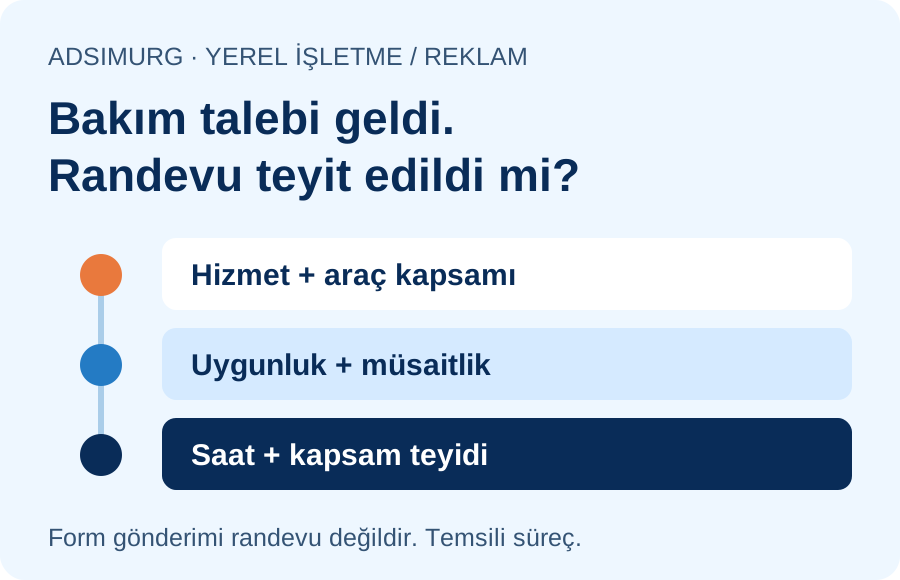
Connect an advertisement to one real service and the area you serve. Explain vehicle and job scope on the page and request only the information needed for initial assessment. A form submission is not an appointment. Record a confirmed appointment separately after suitability and availability checks.
| Status | Meaning | Next step |
|---|---|---|
| New enquiry | A customer requests maintenance or assessment | Review scope and missing details |
| Suitability review | Vehicle and requested service are being checked | Assessment by the workshop |
| Time proposed | Mutual confirmation is still missing | Customer accepts the time |
| Appointment confirmed | Date and scope are agreed | Record attendance and outcome |
Do not put every workshop job into one campaign
An independent workshop might offer periodic maintenance, tyre changes and fault assessment. These are different advertising promises. Select one service actually provided and define the area served. Verify vehicle coverage, opening hours and capacity with the business. The Advertising Service plan should identify reachable customers and the assessment process. Avoid unsupported claims of authorised status, expertise for every brand or a guaranteed repair time.
Fulfil the expectation created by the advertisement
Google connects landing page experience with useful, relevant information, navigation and the expectations an ad creates. Applied to a workshop, the advertised maintenance service should appear near the beginning of the page. Show scope, exclusions, the actual location and contact route. If a price is given, explain the job it covers and the business’s applicable conditions. Answer the first customer question rather than turning the page into a lengthy catalogue of unrelated services.
Keep the initial request short and assessable
Vehicle make and model, approximate model year, requested service and preferred contact route are possible starting fields. Select information the workshop genuinely needs rather than making every field mandatory. Registration plates, vehicle document images or identity documents may not be necessary in an initial marketing form; do not include them by default. An unsure option or short description helps someone who cannot name the job. The form is neither a newsletter subscription nor acceptance of a final quotation.
Walk through a fictional maintenance request
Imagine someone asking about a day for periodic maintenance at your nearby workshop. The ad leads to the relevant service page, which explains the vehicle and maintenance scope assessed. The customer supplies basic vehicle details and a preferred day. The workshop checks the required work, any parts availability and its schedule, then confirms conditions and time. Sending a request is not a vehicle diagnosis or repair guarantee. This fictional example contains no customer, price or result data.
Track phone and form enquiries in one process
Some customers submit a form; others call. Combine the request, owner and next step in an available CRM or organised tracking record. A customer contacting you through two channels is not two new opportunities. A call-button click is neither an actual conversation nor a confirmed appointment. State clearly what event is measured. The form measurement test guide supports checking the page’s completion step.
Read appointment suitability alongside capacity
Report new enquiries, out-of-scope requests, confirmed appointments and attended visits separately. If unsuitable vehicles dominate, examine the ad and page scope. If suitable requests go unanswered, rewriting the ad alone may not solve the problem; review response ownership. In website and CRO work, check mobile use of the address, telephone and form. Learn from actual enquiry notes before making broad claims from small volumes.
A starting checklist
- Does the ad focus on one actual maintenance service?
- Are area and vehicle coverage correct?
- Are location and contact routes visible?
- Does the initial form request only necessary details?
- Are enquiries, call clicks and appointments separate?
- Are response ownership and availability checks defined?
- Are confirmation and attended visits recorded separately?
The Adsimurg approach
Adsimurg connects local advertising with page experience and enquiry tracking. A free Advertising and SEO audit can review your workshop scope, enquiry route and appointment assessment process.
Explore the relevant service scopes to put this plan into practice: Paid marketing, Landing pages & CRO, CRM & sales operations.