The short answer
Each sitelink should address a distinct, genuine decision need. Use a separate page for service scope, delivery process or quotation preparation when that information exists. Make the promised answer easy to find on arrival and separate link clicks from qualified enquiries and sales.
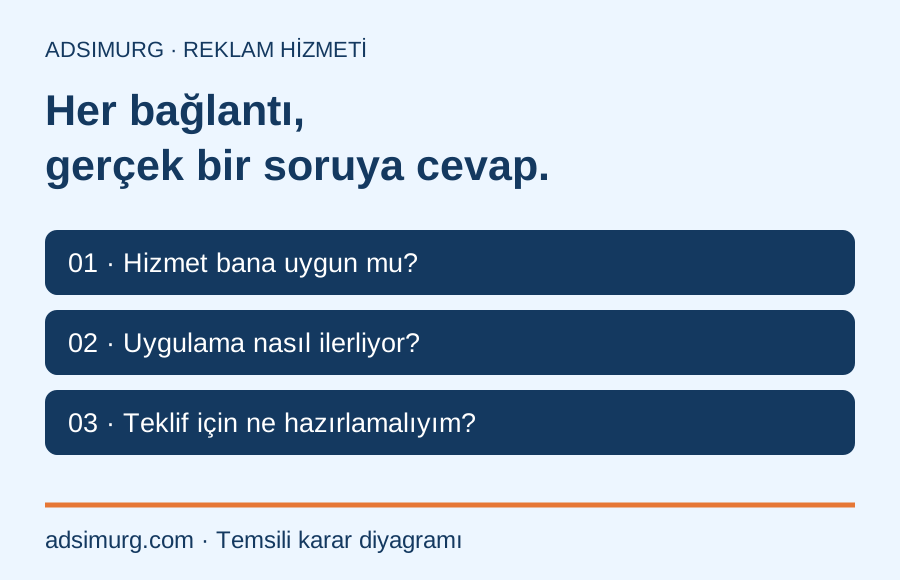
| Customer question | Link idea | Required destination content |
|---|---|---|
| Is this suitable? | Service Scope | Who and what the service covers |
| How do you work? | Delivery Process | Steps and responsibilities |
| What should I prepare? | Quotation Preparation | Brief information needed |
Write down the decision promised by the ad
One visitor may be checking suitability while another is preparing a quotation request. Even when the main advertisement addresses the same business need, these visitors need different information. In the advertising service brief, record which questions the website can actually answer. Avoid attractive labels without supporting content. If prices are not published, describe the real quotation process rather than promising a price list.
Match the label to the opening content
Google Ads sitelink assets can direct visitors to specific website pages. Google’s linked guide recommends concise text and relevance across campaigns using shared assets. The practical decision is to send Service Scope visitors to clear scope information rather than making them search a general homepage. Check that redirects preserve the promised destination. A technically working URL is not enough when the answer is difficult to locate.
Review shared assets against each service
A link that seems useful account-wide may mislead within a specific service. For example, an installation process page might not explain maintenance work. Read the existing account, campaign and ad group associations and record where the link applies. List other affected services before changing a shared asset. This article provides a planning and review framework rather than instructions to alter a live advertising account.
Illustrative example: three routes for a technical provider
Imagine a technical provider whose visitors need to check supported systems, understand delivery steps and prepare information for a site assessment. Sending all three labels to the same generic contact form fails to explain the distinction. Provide separate answers when real pages or clear content sections exist. This is an illustrative workflow, not customer evidence or a claim that one universal number of links improves results.
Test the route on a phone
Open every destination on a phone. Is the title correct, is the answer hidden behind navigation or a consent panel, and is the next step easy to find? Review page function within website and conversion improvement. Do not promise a reference page without real, authorised evidence. Assign an owner and review date to links involving temporary offers or expiring campaign information.
Report beyond the link click
A sitelink click does not prove a quotation request. Keep the link inspected, qualified enquiries received and later business stages separate. Avoid declaring a winner when data is insufficient. The campaign naming guide supports consistent source labels. Google determines asset display according to context; adding an asset does not guarantee that it appears in every search.
A starting checklist
- Does each link answer a genuine question?
- Does the destination match its label?
- Are shared assets relevant to all affected services?
- Does the mobile route work?
- Who reviews temporary offers?
- Are clicks separate from qualified enquiries?
The Adsimurg approach
Adsimurg reviews advertising messages, sitelinks and destination pages together. A free Advertising and SEO audit can identify missing information routes, page improvements and measurement priorities in an existing campaign.
Explore the relevant service scopes to put this plan into practice: Paid marketing, Landing pages & CRO, Growth strategy & analytics.