The short answer
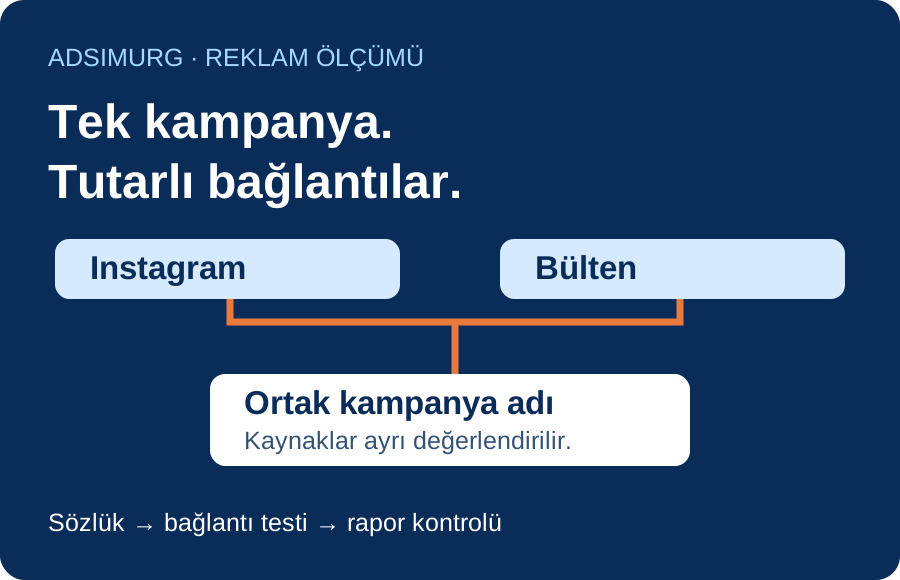
Define a shared naming dictionary for source, medium, campaign and creative values, then test links through the actual publishing journey. UTMs help describe traffic sources. They do not prove that a sale occurred or that someone gave marketing consent.
| Field | Business question | Example decision |
|---|---|---|
| Source | Which platform brought the visit? | Separate instagram and facebook |
| Medium | What distribution type is this? | Separate organic_social and email |
| Campaign | Which shared activity are we evaluating? | autumn_audit |
| Creative | Which message or placement is being compared? | measurement_video_a |
Start with the question your report must answer
When a team invents different link names for every social post, monthly reporting becomes difficult to reconcile. Decide which activities belong together and which platforms need separate analysis. An audit promotion could use one campaign name while keeping Instagram and Facebook as separate sources. This is a reporting design, not a promise of more reach or sales. Include a link owner and review date in the Advertising Service campaign brief.
Use one dictionary rather than naming every post from scratch
Let source describe the platform, medium the distribution type, campaign the shared activity and creative the tested message. Google Analytics documents that UTM values are case-sensitive. Lowercase, concise values without personal information are a practical team convention. The dictionary above is an Adsimurg recommendation, not a client campaign or a mandatory platform standard. Anyone adding a new value should explain the decision in the shared record.
Test the link through its real distribution path
For a fictional newsletter, you could use utm_source=newsletter, utm_medium=email and utm_campaign=autumn_audit. Google recommends using source, medium and campaign together. Open the link on a phone before publishing, check the destination and verify that redirects preserve the required parameters. If Analytics access is available, check how the test visit is recorded. A result that has not appeared yet should not immediately be interpreted as zero performance.
Review Google Ads auto-tagging separately
A manual UTM plan does not replace an existing Google Ads and Analytics integration. Google explains that auto-tagging provides additional platform-specific dimensions. Do not disable working auto-tagging simply because the team created a new naming dictionary. Review the integration, destination and redirects together. If a change is needed, have the measurement owner record the reason and the test outcome.
Separate traffic source from business outcome
A consistent dictionary can make acquisition reporting easier to read, but it does not establish enquiry quality or a completed sale. Keep enquiry, meeting and sale stages separate in CRM tracking. If source information is missing, mark it unknown rather than guessing the last visible channel. Do not put email addresses, phone numbers or customer names in campaign URL values. Use the advertising conversions and revenue guide when reconciling business results.
Turn weekly checks into an actionable error log
Record fragmented names, missing fields and incorrect destinations. Prevent the issue in new publications first, then document how historical reports are grouped. Do not silently reinterpret earlier data. A record containing the link, observed problem, owner and correction date is a more useful starting point than another attractive performance chart.
A starting checklist
- Is the source and medium dictionary documented?
- Is the campaign name consistent across channels?
- Do creative values match the test plan?
- Does the URL avoid personal information?
- Has the mobile redirect been checked?
- Are auto-tagging and integrations preserved?
- Are enquiries and sales evaluated separately?
The Adsimurg approach
Adsimurg connects campaign planning, creative testing and measurement. In a free Advertising and SEO audit request, share sample links and the business question your report needs to answer.
Explore the relevant service scopes to put this plan into practice: Paid marketing, Growth strategy & analytics, CRM & sales operations.