The short answer
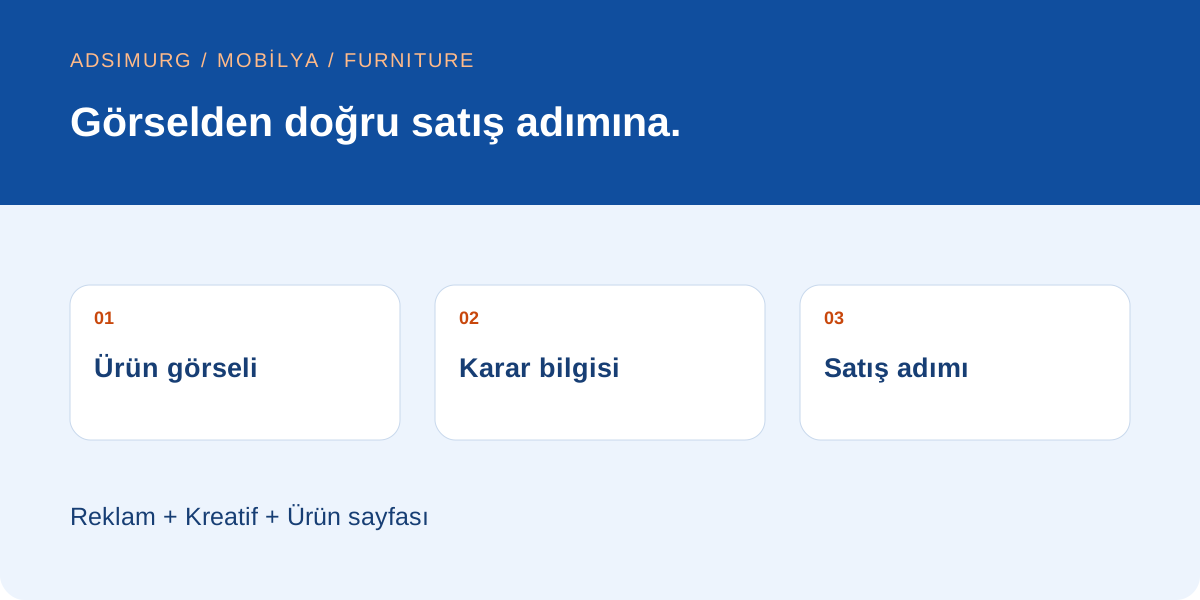
Furniture advertising needs more than an attractive image. Answer questions about dimensions, materials, room fit and delivery consistently from ad to product page. Measure online purchases separately from showroom enquiries.
| Buyer question | Creative | Product page |
|---|---|---|
| Will it fit? | Room context and a dimension-led frame | Width, height, depth and assembly |
| What is the material? | Genuine texture and detail shots | Materials, care and options |
| When will it arrive? | A route to applicable delivery information | Area, timing and conditions |
| What is the next step? | One purchase or enquiry action | The appropriate checkout or appointment path |
Separate online orders from showroom conversations
A sofa set and a small, easily shipped item can involve different buying journeys. Define the product group and next customer action first. Online payment requires a clear product and checkout flow; a showroom-led journey requires an enquiry or appointment process. Combining both under one conversion label makes decisions harder. In the advertising plan, record the supported action and what the sales team will follow up.
Give four visual roles to one product
Do not expect a single catalogue photograph to answer every question. A room image introduces the use case, a dimension visual explains placement, a close-up shows materials and workmanship, and an options image explains genuine colours or modules. Never add a feature the product does not have. Accessories used to communicate scale should not mislead. Assign each asset a customer question, shot requirement and placement in the visual design and video production brief.
Build product video around useful buying information
A short video should do more than animate a product photo. Introduce the use case, show an important detail, then explain the offered choice or next action. Seating dimensions, an opening mechanism or modular assembly can be shown when they are genuine features. Keep the information understandable without sound and captions readable. Check usage rights for music and images. This is a suggested production structure, not a guaranteed duration or sales result.
Continue the advertised model on its product page
When creative features a particular model and colour, take visitors to a page where that option is clear. A category destination may be suitable in some cases, but a specific product offer should not make the customer find the item again. Explain dimensions, materials, variants, price, delivery area and return conditions. For products using Google Merchant Center, product data and page information need to agree; the official specification explains that scope. For SEO, answer the actual decision questions for each product group.
Use a fictional dining-table campaign to make the plan concrete
Imagine a brand preparing a campaign for a six-person dining table. One creative shows the setting, another the surface and legs, and a third the stated dimensions. The page clarifies whether chairs are included and the delivery scope. Completed purchases and stock enquiries are recorded separately. This is not a real client case. Following the creative testing guide, compare a dimension-led message with a material-led message for the same offer before changing several variables together.
Review the journey beyond form volume
For showroom enquiries, cheap leads alone do not establish success. Review service area, product interest, completed appointments and later sales stages. For online orders, include cancellation, return and delivery information. If clicks do not lead to progress, check the ad-to-page message and mobile experience first. Landing page and CRO work should examine why the action remains incomplete. The weekly review should explain which product group and message deserve the next test.
A starting checklist
- Choose a purchase or conversation goal for each product group.
- Plan room, dimension, detail and option visuals.
- Show the same product and conditions in ads and pages.
- Answer delivery, assembly and return questions.
- Connect creative tests to one hypothesis.
- Track enquiry quality or completed orders.
The Adsimurg approach
Adsimurg connects results-focused furniture advertising with product visuals, video and the page experience. In a free Advertising and SEO audit request, specify the priority product group and whether the goal is online sales or showroom conversations so we can define a practical starting review.
Explore the relevant service scopes to put this plan into practice: Paid marketing, Visual design & video production, Landing pages & CRO, SEO.