The short answer
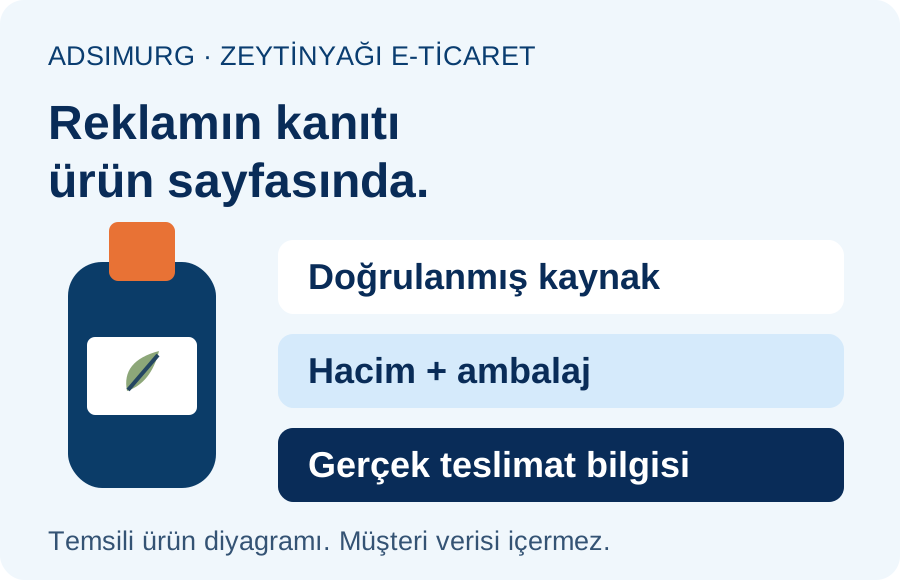
Olive oil advertising should offer a purchase reason that the product page can substantiate. Production information, packaging, volume, price scope and delivery conditions should agree. Explain actual product details instead of unsupported quality or health claims, and evaluate campaigns with order and operational records.
| Advertising topic | Evidence | Product-page detail |
|---|---|---|
| Product origin | Verified production information | Origin and producer explanation |
| Packaging and volume | Actual product and pack information | Option, image and price scope |
| Specific product characteristic | Verifiable product record | Information with a clear scope and date |
| Delivery convenience | Current operating conditions | Region, charge and actual delivery information |
Make the message support a specific product decision
Clarify which product, packaging and need the brand can serve. A single bottle, multi-pack and large-volume container involve different buying decisions. The advertised product should be easy to identify on the page. Include the actual option and information to explain in the Advertising Services plan instead of relying on a generic quality claim. This guide concerns the company’s marketing journey; it does not provide consumption or health advice about any oil.
Separate the production story from product evidence
Actual photographs of the grove and production can support the story. Use owned images or sources with clear usage rights, and do not present an illustrative photograph as the brand’s own facility. Before describing an analysis or certificate, confirm which product and period it covers. Information that applies to one item should not be extended to the entire catalogue. Missing evidence should not be replaced with invented badges or claims. In creative production, a real photograph with a legible label may explain the product more clearly than a generic decorative scene.
Test volume and packaging from the ad to the basket
When an item comes in different volumes, match the photograph, stated volume, price and basket selection. A multi-pack ad leading with a single-bottle price can create an inaccurate expectation. Show the actual bottle or tin, pack quantity and total volume clearly. Change the option on a phone and inspect the basket. A website and CRO review should address unclear scope and wrong product selections before focusing on the colour of a button.
Illustrative application: a gift pack and an everyday order
Imagine a brand offering one bottle and a two-bottle gift pack. The gift ad should open a page that shows the pack contents, actual box photograph and that pack’s price. Describe a gift note or special delivery option only when the operation really provides it. The single-bottle campaign opens its own packaging and delivery information. These are different decision journeys rather than a sector name added to a generic ad. The example is fictional and does not report actual stock or sales results.
Keep SEO information consistent with the visible product
Use the actual product name, volume and distinguishing packaging information in the title. Avoid mechanically repeating one description for different options. Google’s Product structured data can help describe product information on eligible pages, but rich-result display is not guaranteed. For pages offering direct purchases, review the relevant merchant-listing scope separately. Do not insert prices or availability that conflict with visible information, or invent review scores. An initial benefit of SEO work is that visitors and search systems can read the same accurate product description.
Make campaign decisions using actual order and issue records
Separate product or pack selection, completed orders and subsequent cancellations or refunds in the report. Delivery delays, packaging problems and inaccurate product expectations are distinct causes. Do not fill an unknown cause with speculation; use categories supported by actual customer-service records. Store revenue and platform conversions can cover different scopes. More clicks on one item do not establish greater profitability. Available stock and feasible delivery capacity belong in the campaign review too.
A starting checklist
- Specify the actual product, volume and packaging.
- Verify the source of production photographs and documents.
- Avoid invented health or quality guarantees.
- Follow the advertised option through to the mobile basket.
- Match SEO and structured data with visible information.
- Report orders, cancellations and delivery issues separately.
The Adsimurg approach
Adsimurg connects olive oil advertising with product content, SEO, actual visuals and the purchase journey. Include a sample product page in your free Advertising and SEO audit request so we can review message evidence, pack selection and measurement gaps together.
Explore the relevant service scopes to put this plan into practice: Paid marketing, SEO, Landing pages & CRO, Visual design & video production.